Ame’s story…
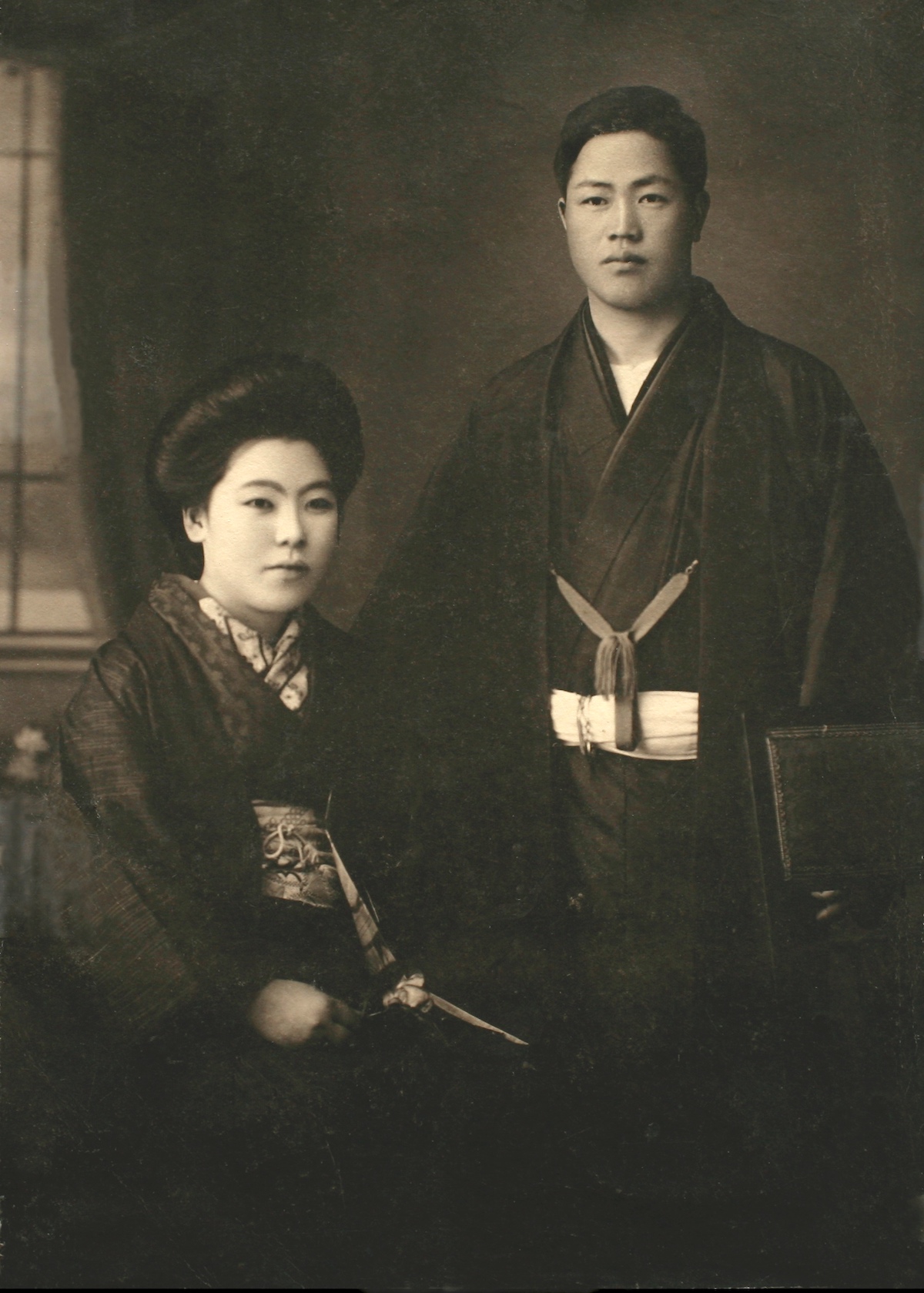
Ame’s father, Junji Hamada, was born in 1890 in Hiroshima, Japan. The Hamada family grew rice and operated a hotel out of their home residence. In spite of being the only boy out of three children, Junji left Japan and boarded a ship for America when he was only 16. After enduring a terrible bout of seasickness during the voyage, he arrived in San Francisco in 1906. He made his way up to Seattle and found a job working on the railroad in Wyoming and Idaho. According to family historians Teresa Tamura and Virginia Baxter, Junji worked on the railroad for “10 cents an hour, ten hours a day, for ten years.” By 1916 he had saved enough money to return to Japan to look for a wife. After several months, he met Kuniko Nakatani through a matchmaker. Kuniko was born in Hiroshima in 1898, the youngest of three daughters out of eight children. Her parents, Tsunezo and Tatsu Nakatani, ran a tofu shop in Kure. Junji and Kuniko were soon married and settled in Idaho.
Initially, the Hamadas farmed in eastern Idaho as sharecroppers. Junji was a successful farmer and was particularly good at growing onions. They later moved to Caldwell in southwestern Idaho, where they continued to farm as sharecroppers and also on leased land. Junji earned extra income as a produce broker, buying and selling produce in Utah and Idaho. They finally were able to purchase their own farm in 1957.
Kuniko and Junji Hamada 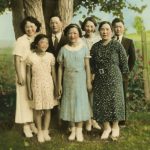
Colorized portrait (1933) 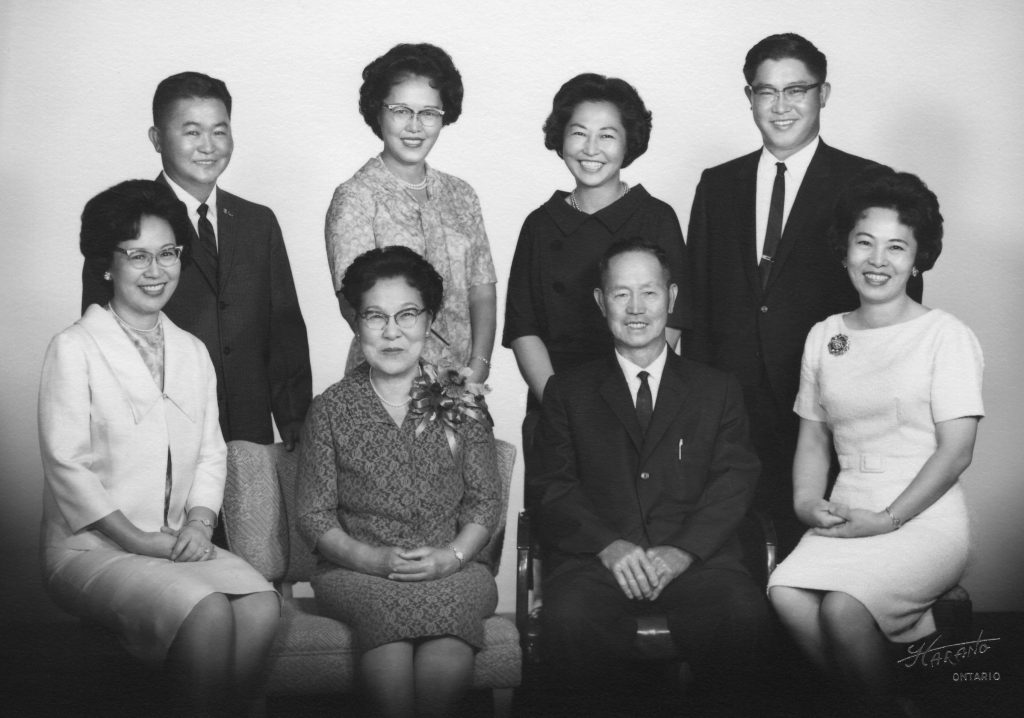
1966
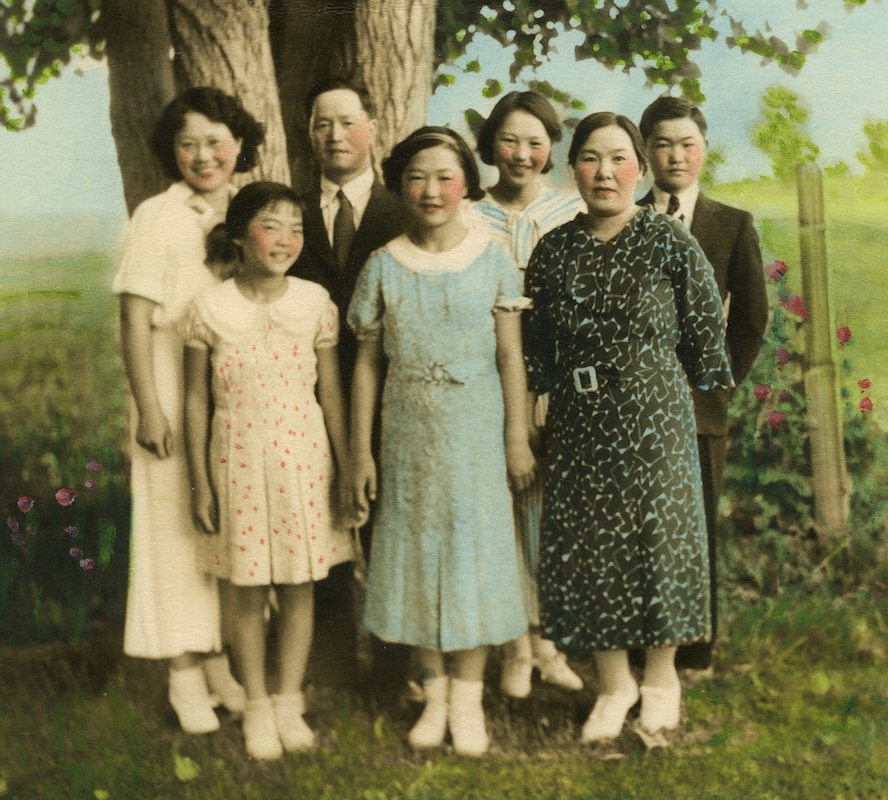
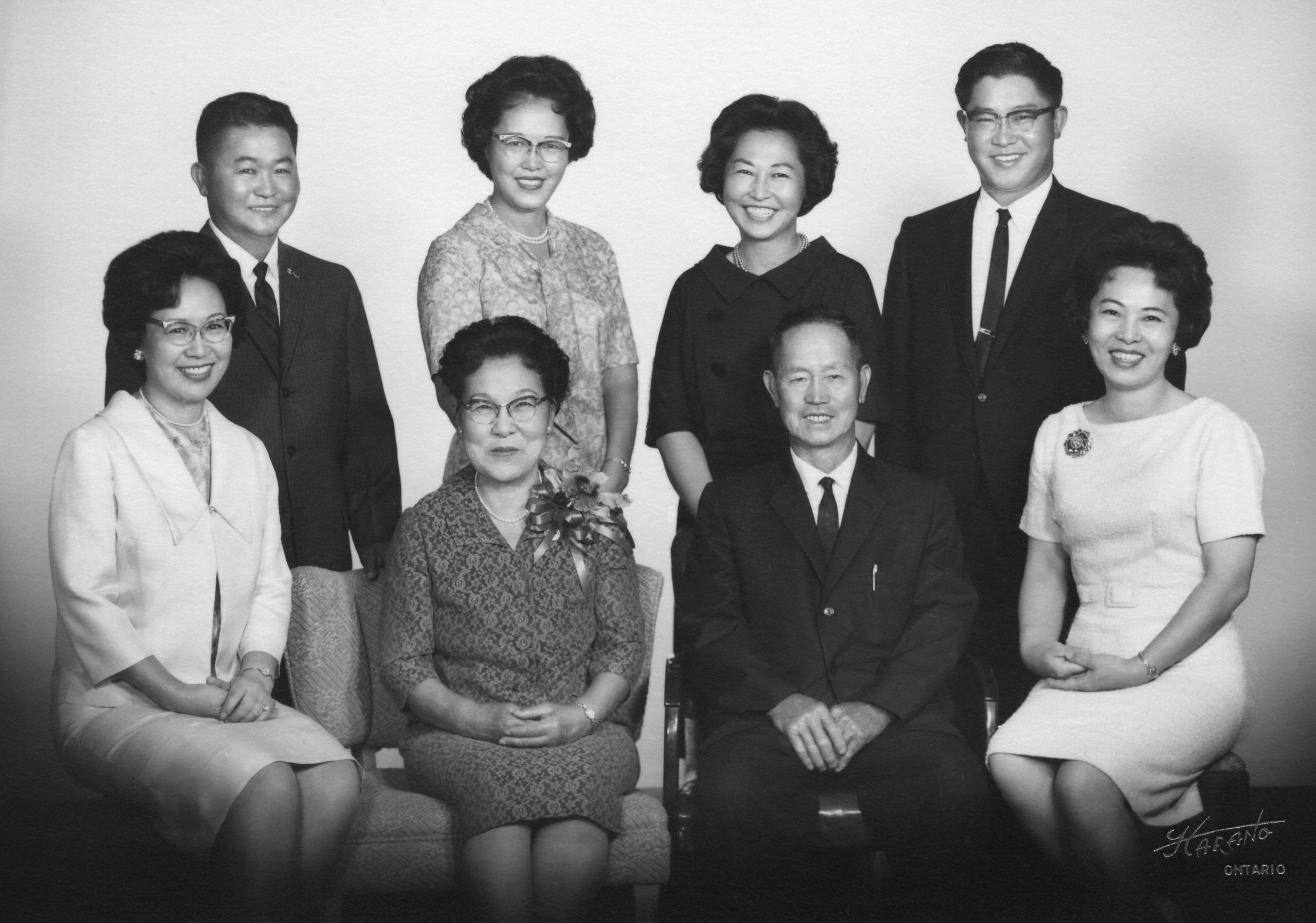
Junji and Kuniko had six children over a span of 25 years—four girls and two boys. In addition to helping with the farm, Kuniko ran the household and even sewed all of their clothes. She once remarked that she thought she’d live “like a queen” in America, but ended up having to work hard and overcome many hardships. All of the children attended the local schools and also worked on the farm or in the household.
Because of his accomplishments and community involvement, the Japanese Consulate awarded Junji a Kunsho medal, 6th Order of the Sacred Treasure, in 1973. These medals are conferred by the Japanese Consulate on behalf of the Japanese government to “influential Japanese community members.” Junji remained active on his farm until he was 90 years old. He and Kuniko moved to California to live with family until he passed away in 1984 at the age of 94. Kuniko went on to live with family in Idaho and Seattle, until she passed in 1990 at the age of 92.
While they were living in Idaho, and because there were few Japanese families in the area, each of the daughters were sent to Japan after graduating high school to study Japanese language and culture for two years.
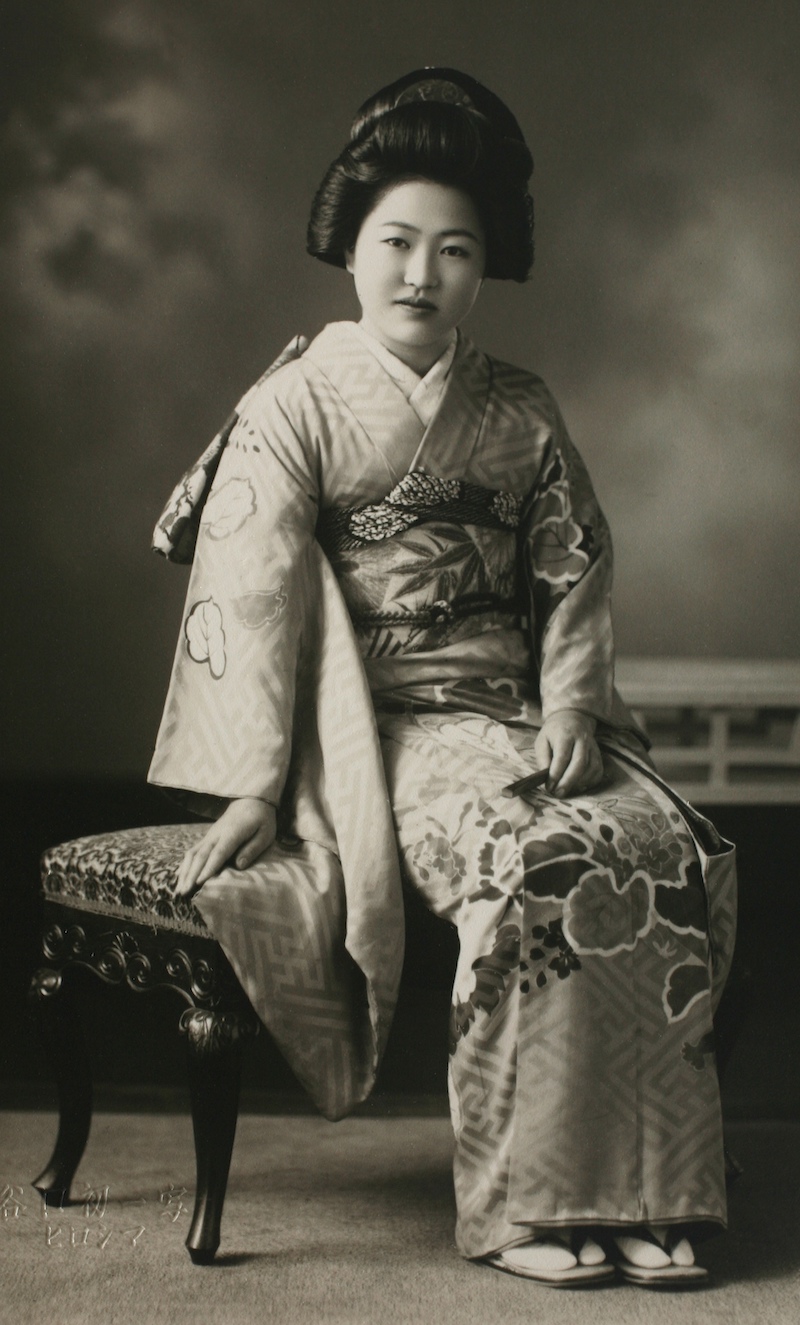
In 1936, Junko, the eldest daughter, went to Japan for her two-year Japanese education. The second eldest daughter, Kimi, went in 1938, and Ame left in 1940. Unfortunately, the war began and Ame found herself trapped in Japan for the duration of the conflict.
Harry, Ame’s older brother, was not sent to Japan due to concerns that he would be inducted into the Japanese Army because of his dual citizenship. Instead, when the war began, Harry volunteered for the United States Army and served with the 442nd Regimental Combat Team in Europe. He was wounded in combat on two occasions, and was awarded the Purple Heart with Oak Cluster for his service. Ame’s youngest brother, Kenneth, also enlisted in the US Army in 1968, following completion of dental school in Seattle.
When she arrived in Japan in 1940, Ame lived with her aunt and uncle in Hiroshima. There she took classes in Japanese language and culture. In December, 1941, she was shocked to learn that Japan had attacked Pearl Harbor and the two countries were at war. As the war dragged on, food became scarce and she had to stop her studies and found work in a local factory.
The authorities kept track of the Nisei in Japan, and they told Ame that she had to move to Tokyo to assist with a communications facility. Food and supplies were very scarce at this point and she felt fortunate to get meals from the office where she worked.
Following the bombing of Hiroshima, the communications facility was shut down and she was released to return home. After an arduous train ride back to Hiroshima, she made her way home through the rubble of the devastated city. She found that many of her neighbors and some relatives had been injured or died in the blast. She helped care for the survivors, and was then asked by Japanese officials to assist with the Japanese Liason office in Kure. She worked there for a while until her paperwork was processed and she was finally allowed to return to the United States. Her two-year visit had lasted nearly seven years.
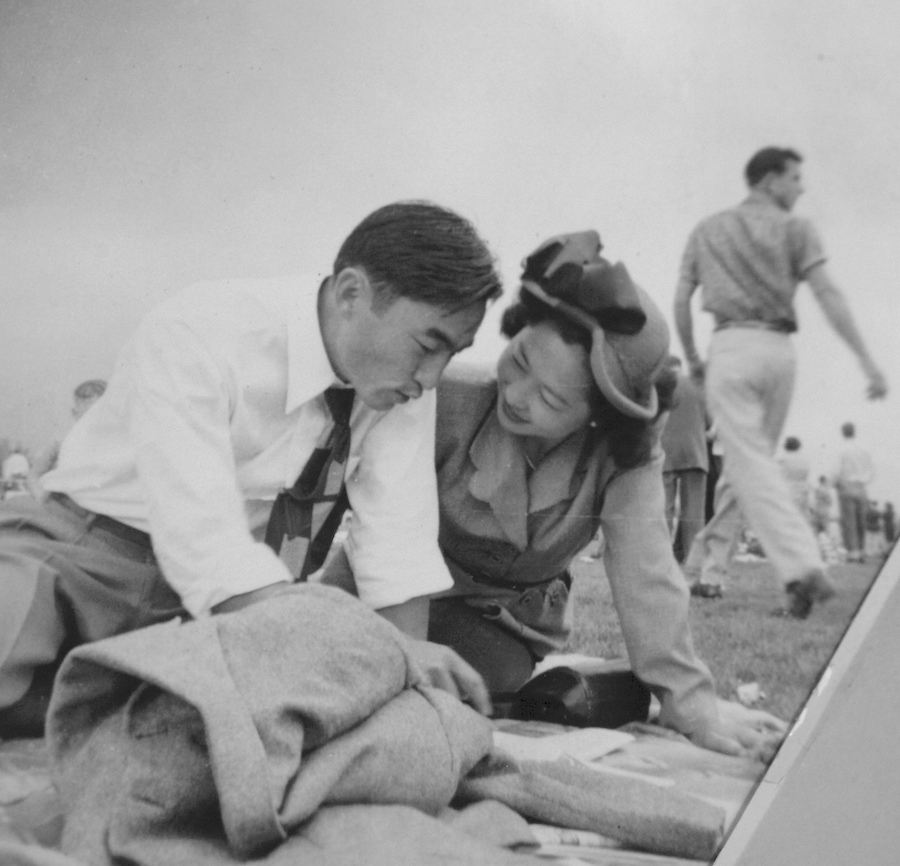
Ame met Sam after the war 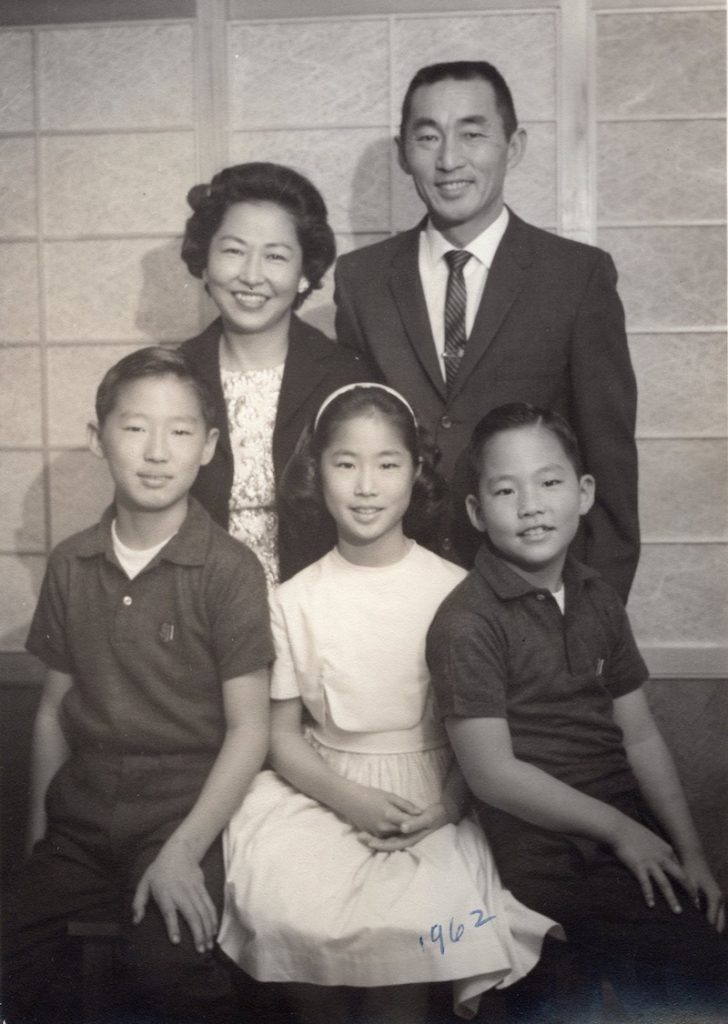
Family portrait 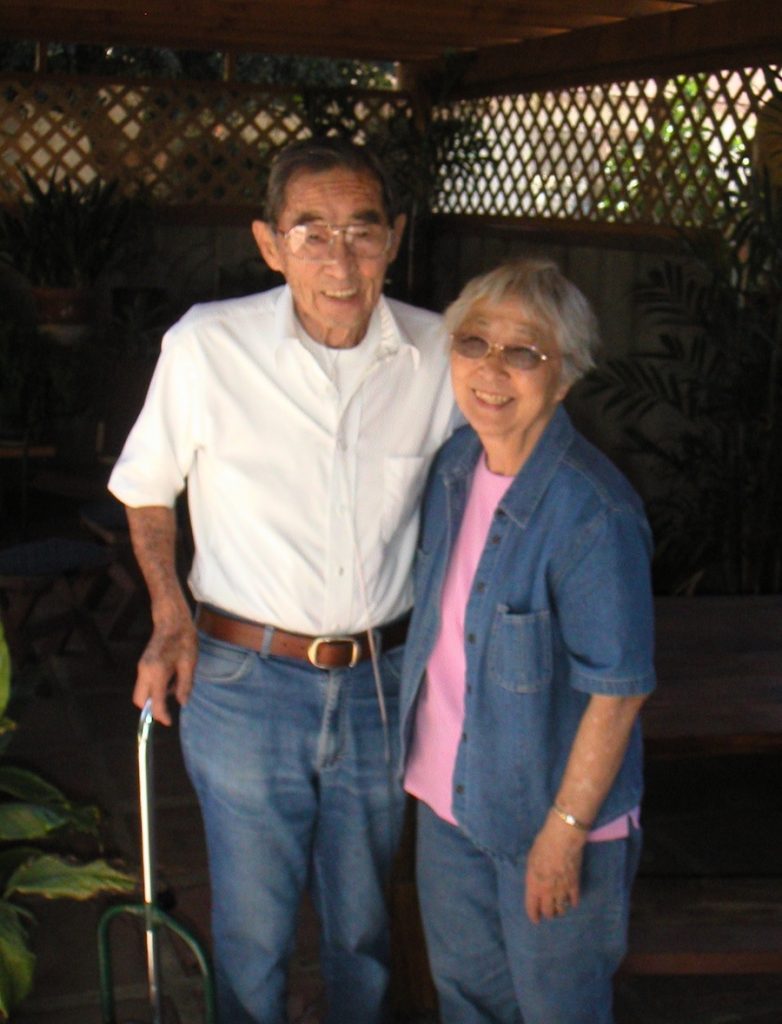
Ame & Sam at home 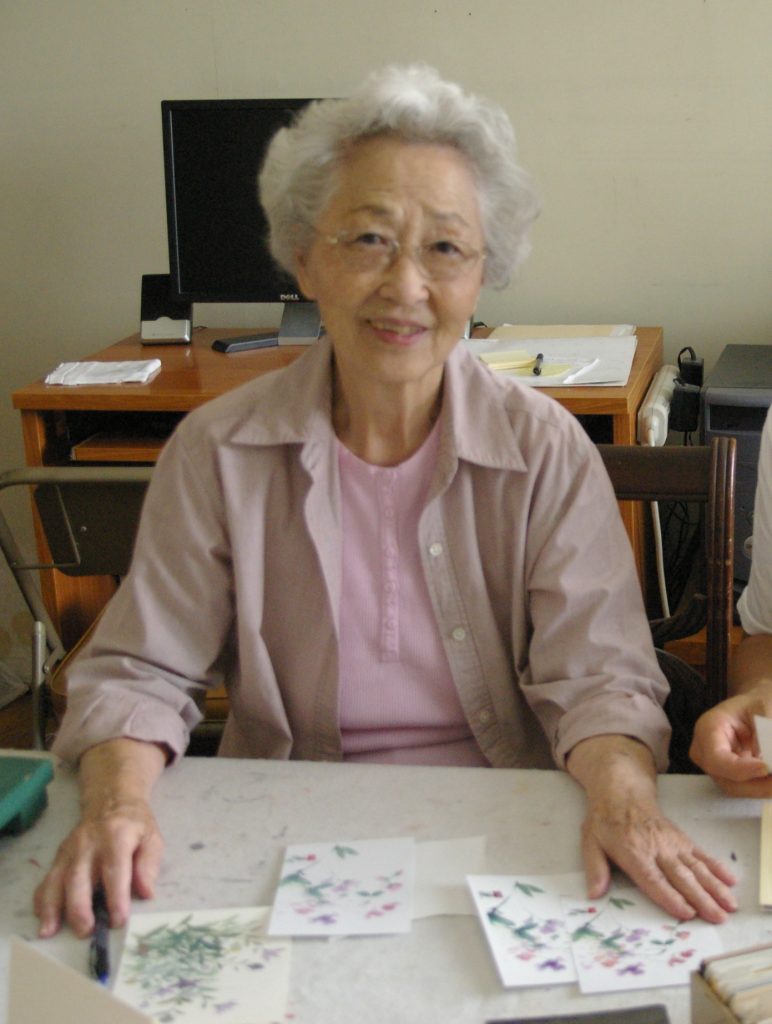
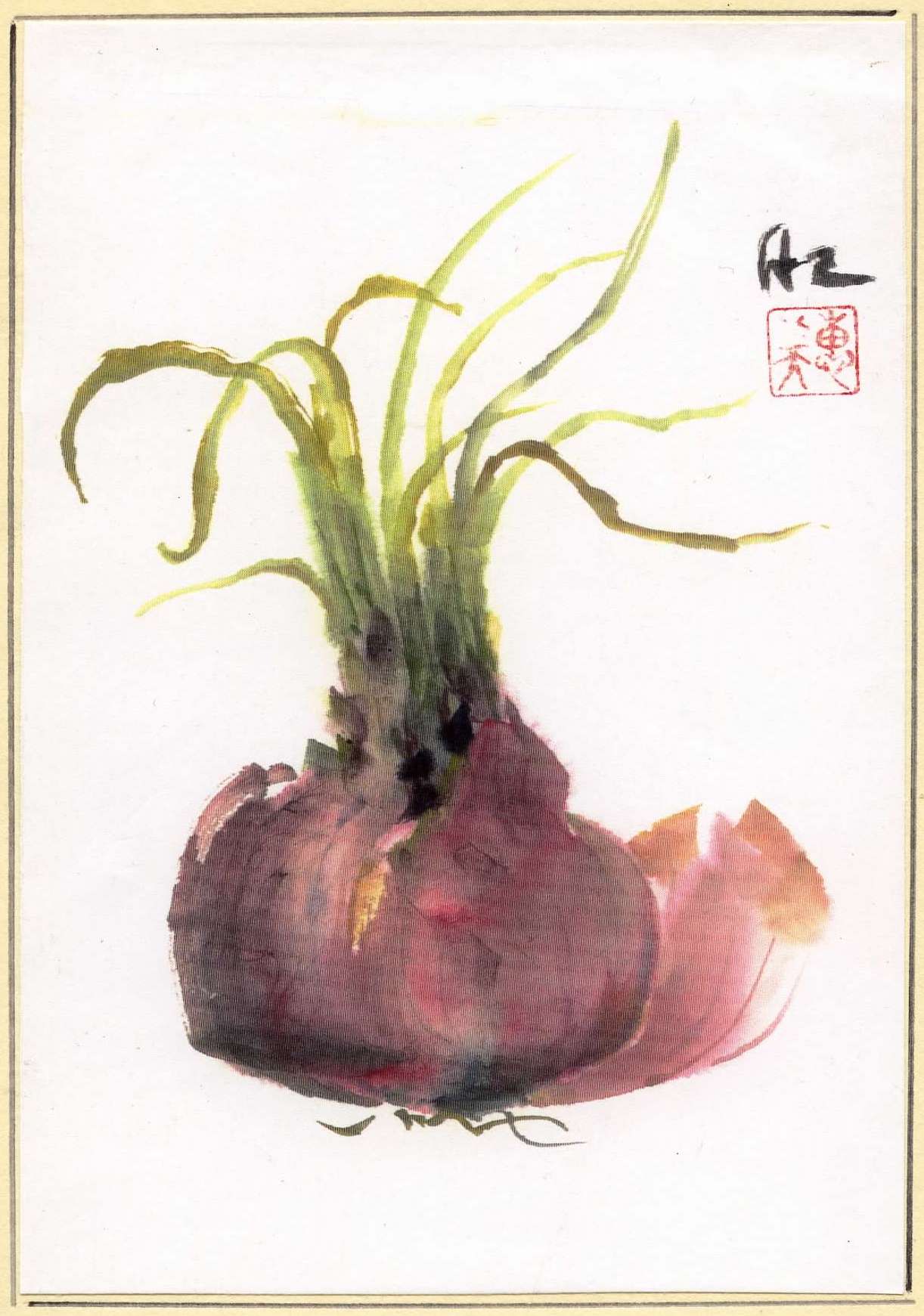
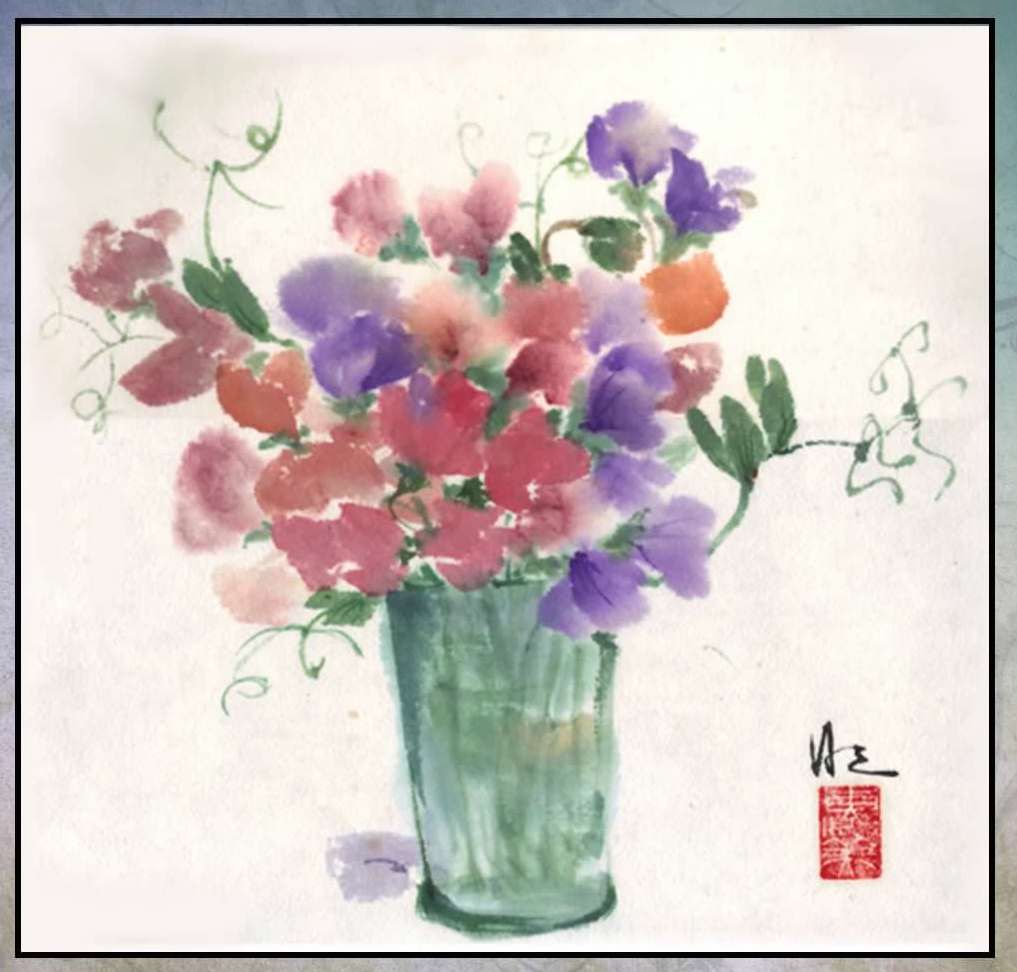
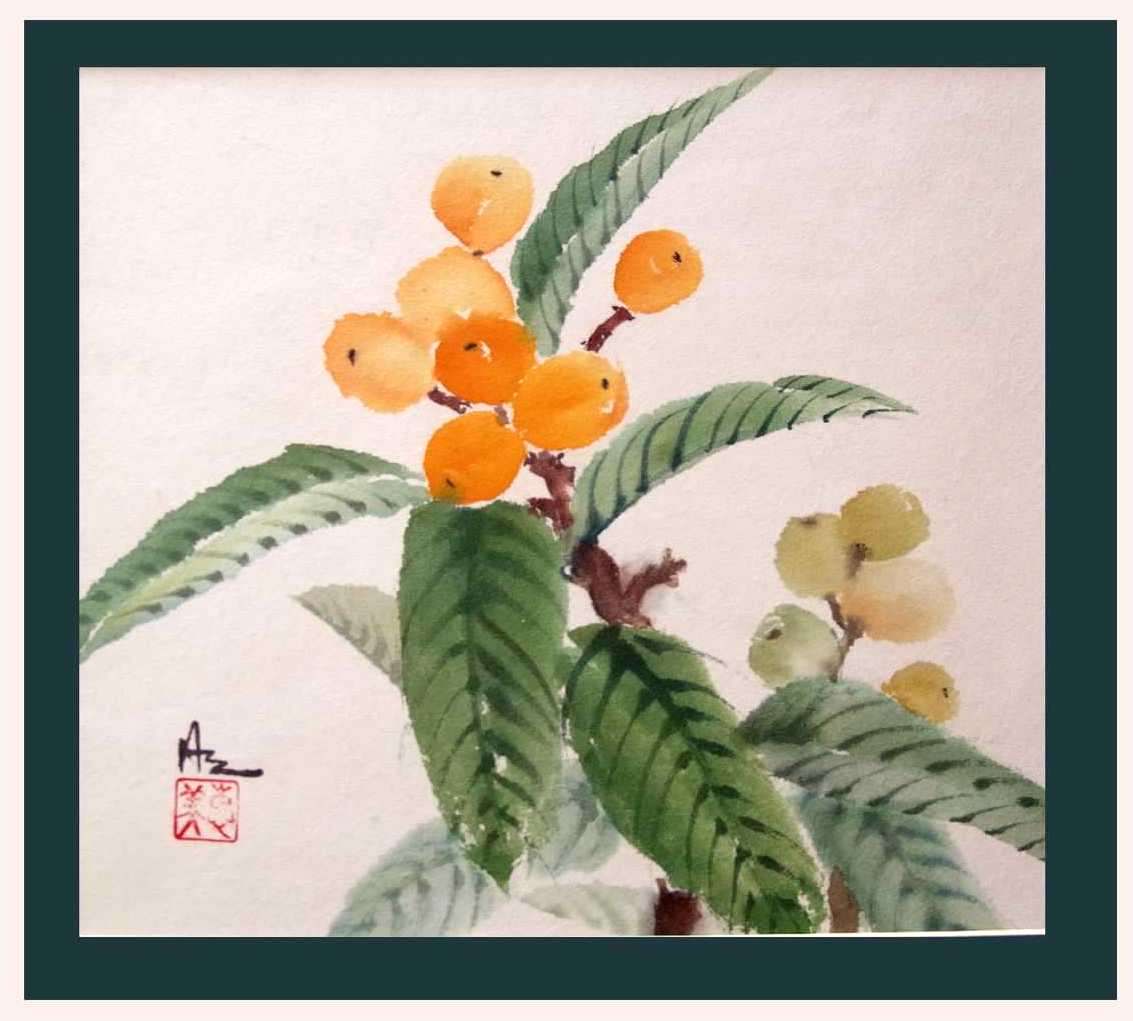
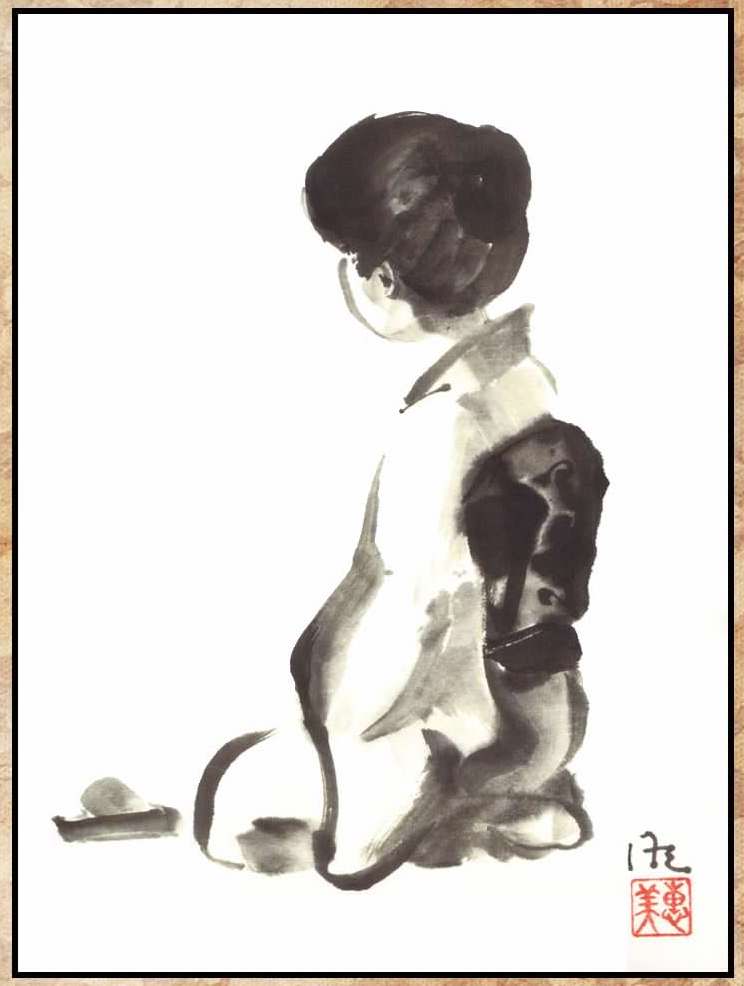
A lifelong love of art
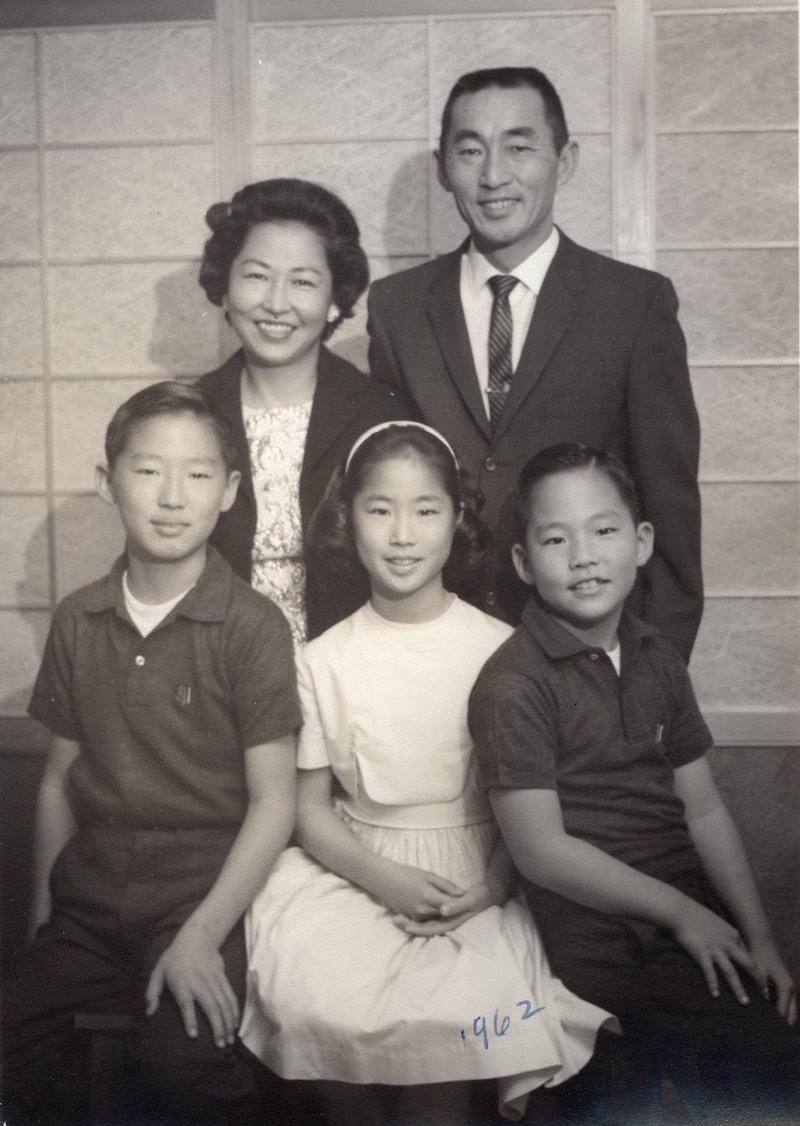
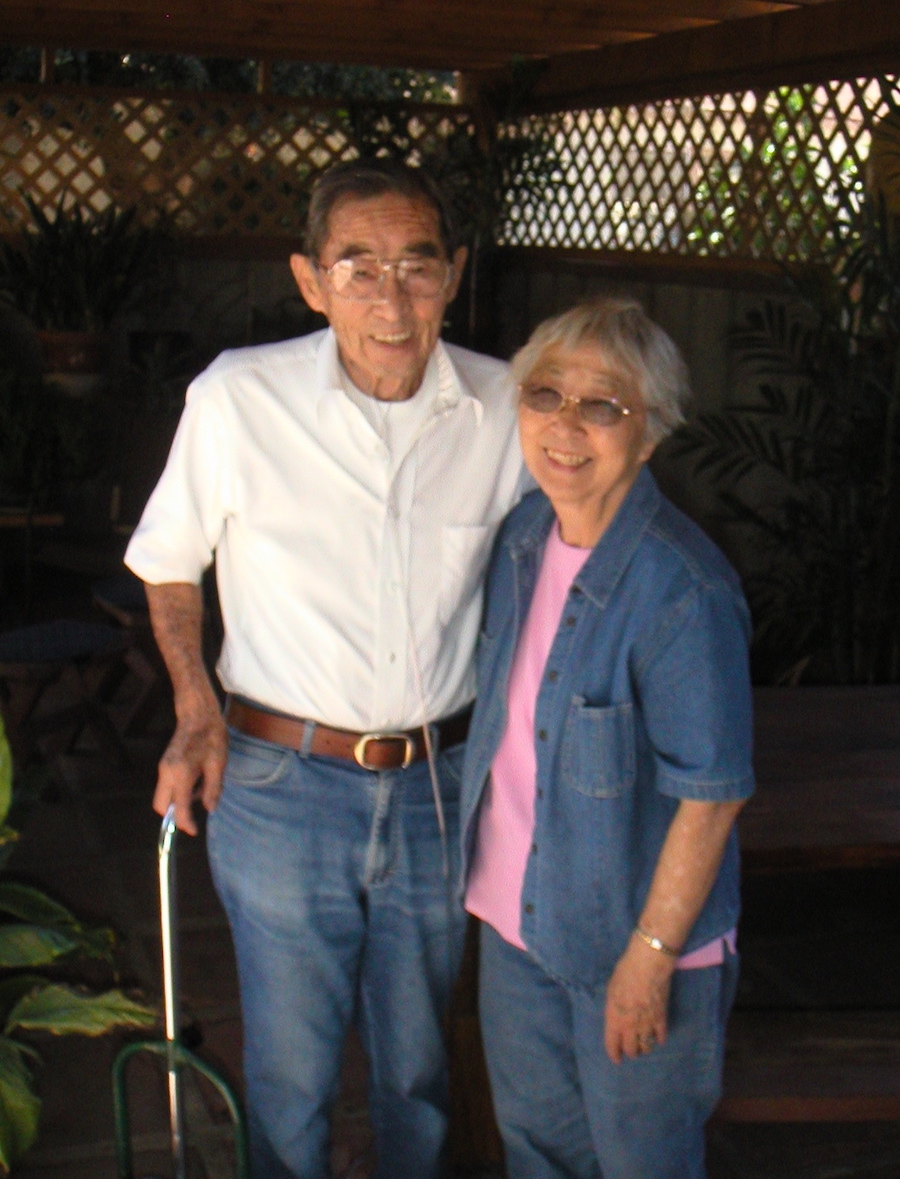
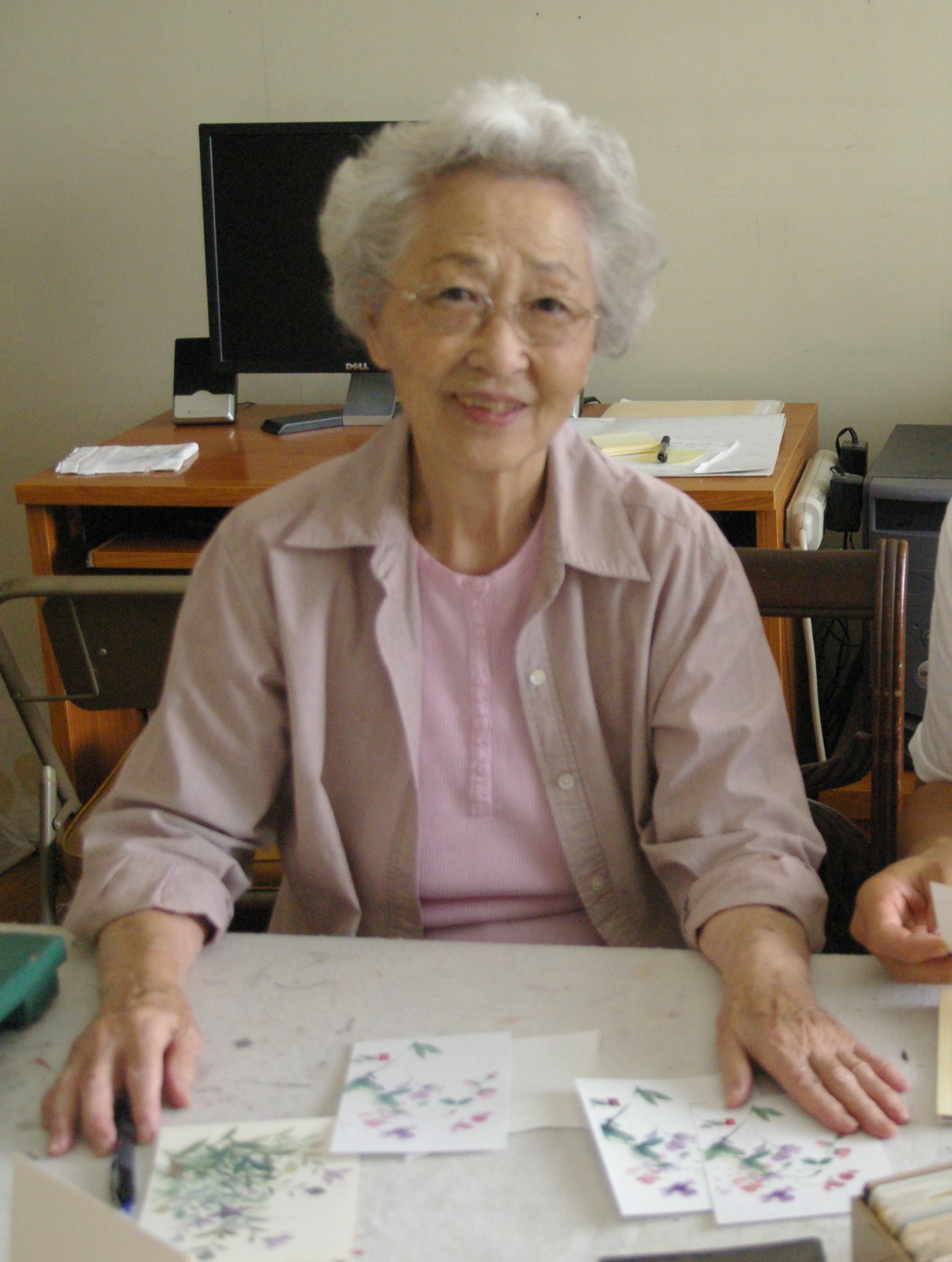
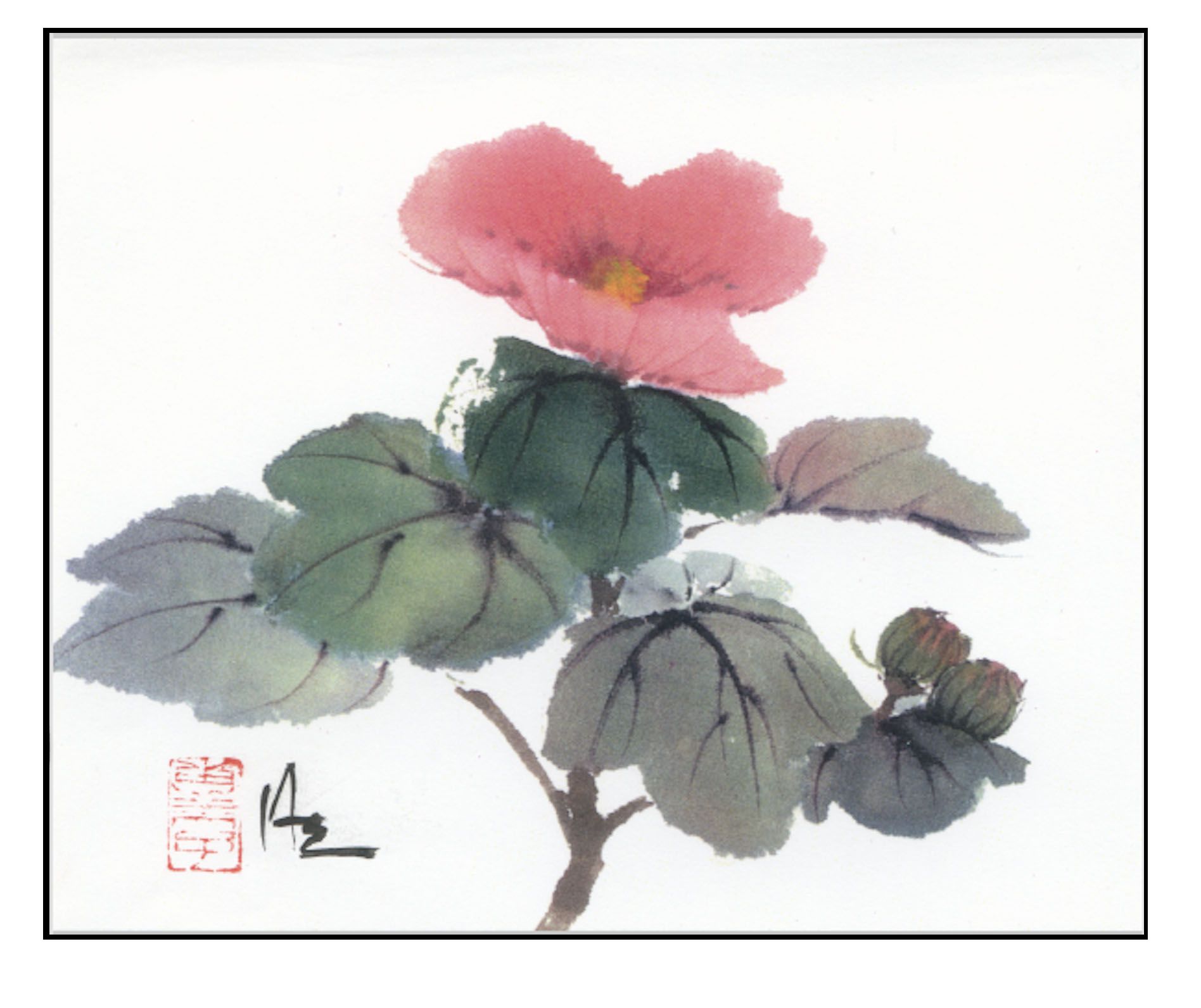
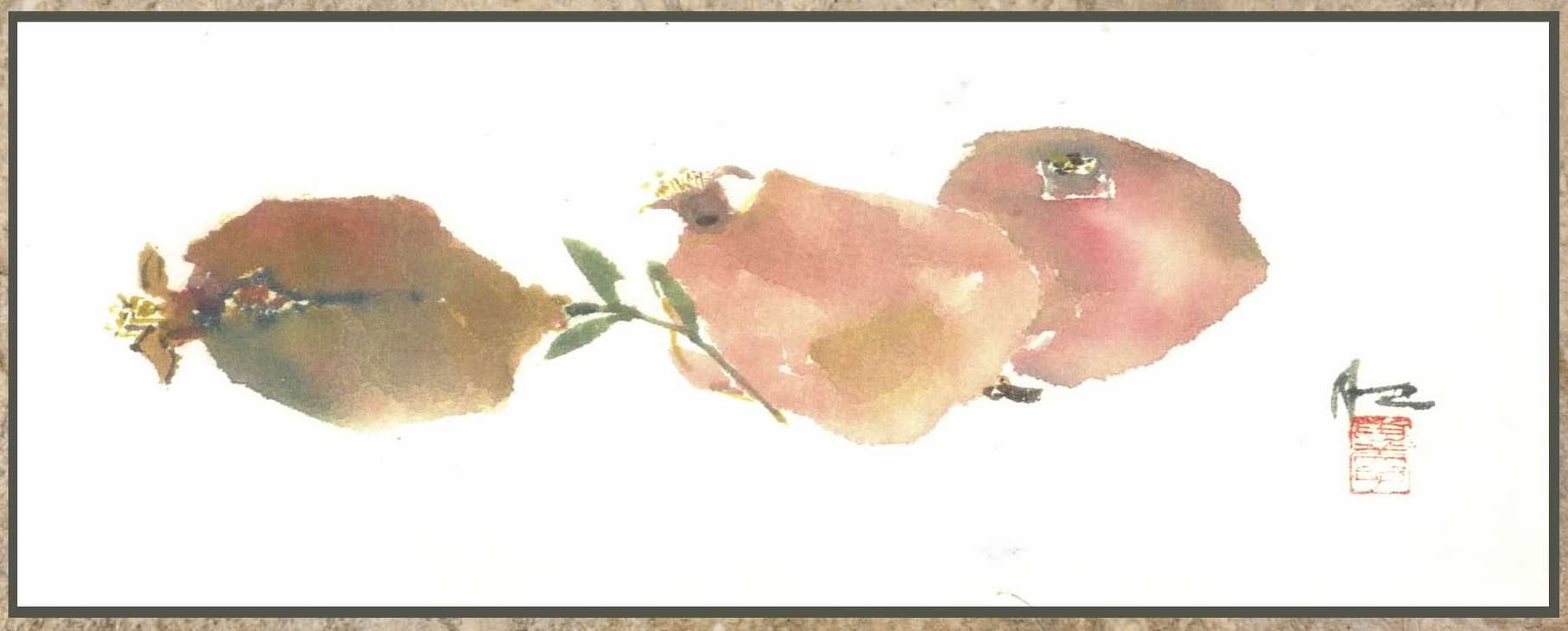
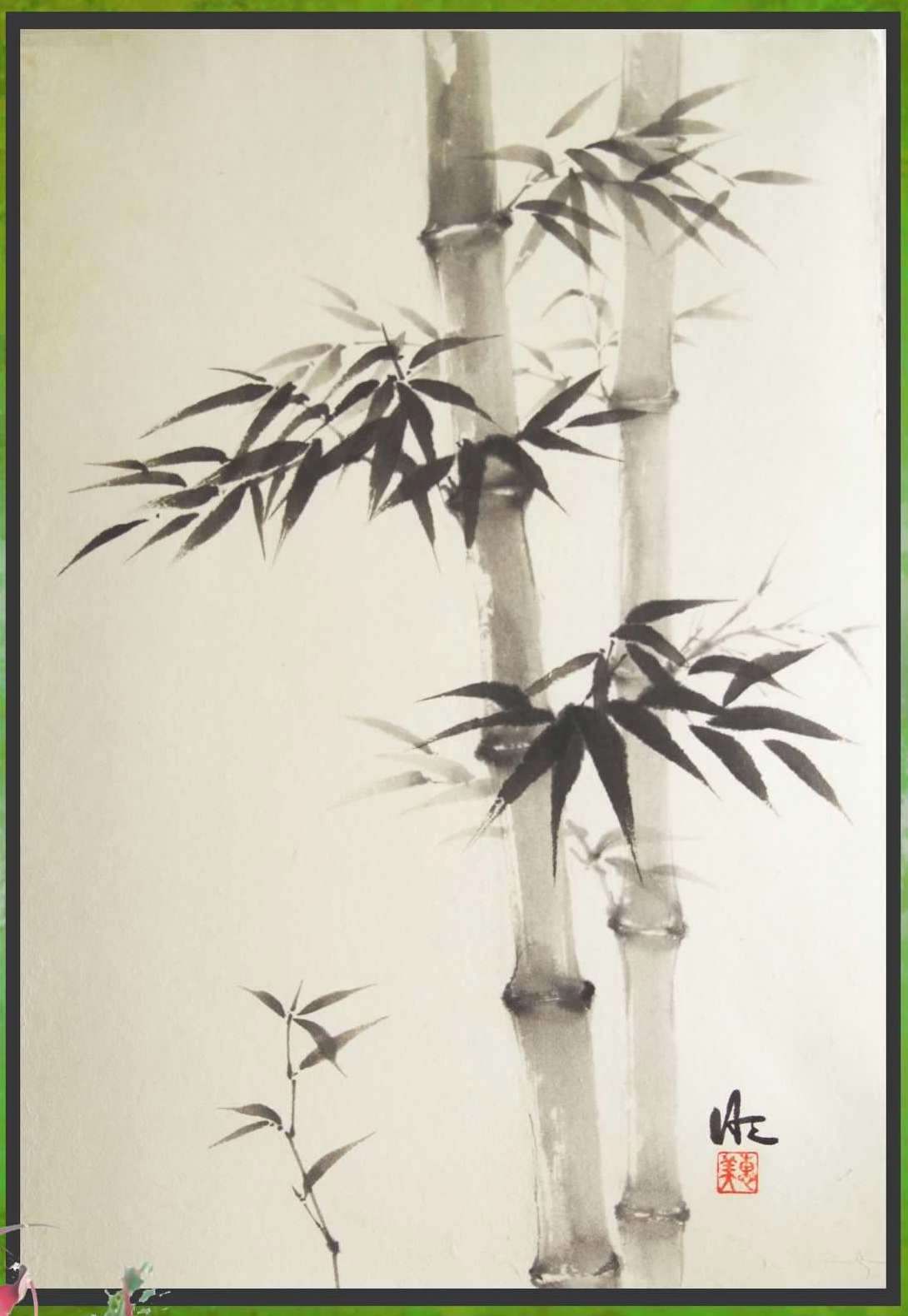
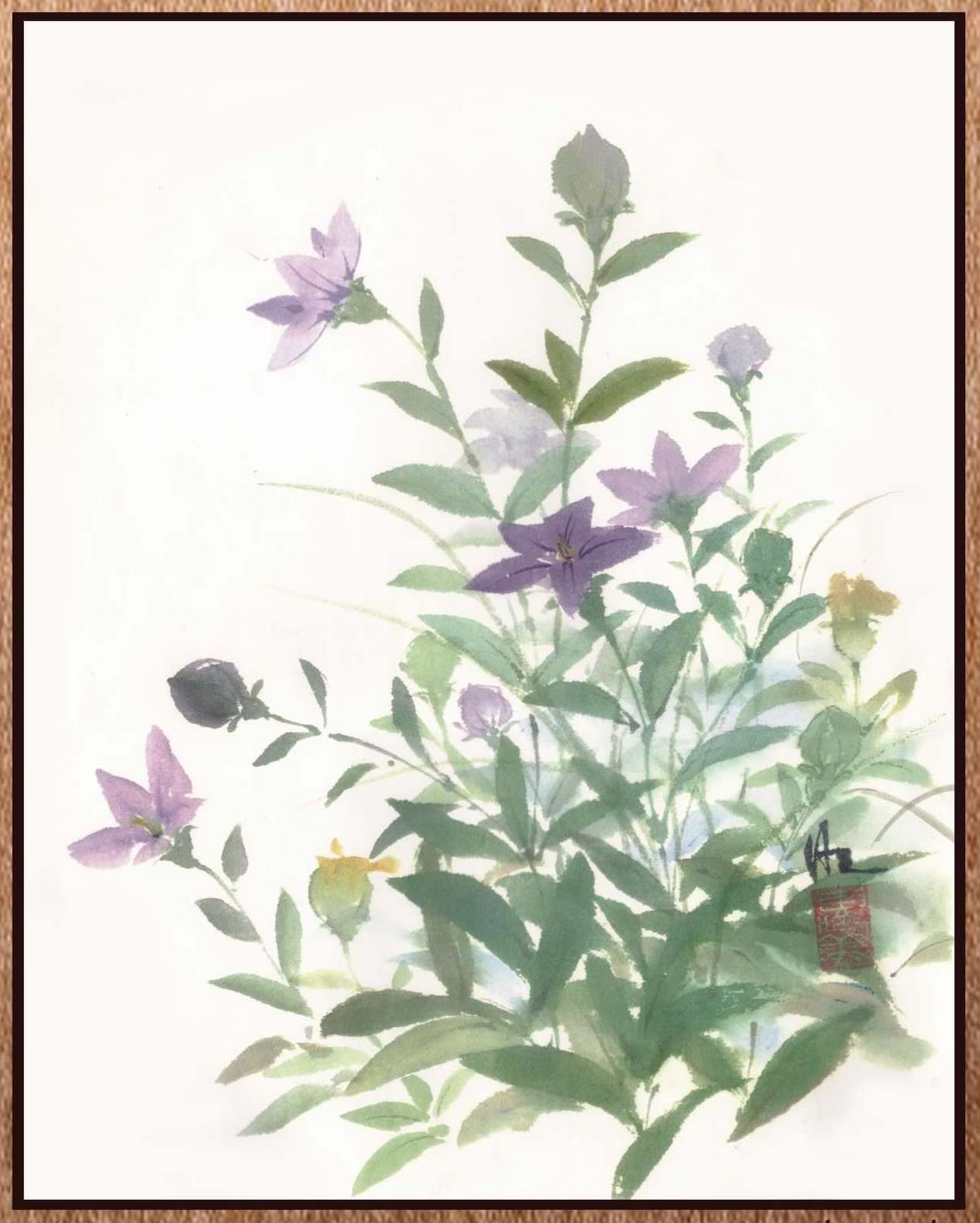
Once Ame was safely back in the United States, she found work in Southern California where she met her future husband, Sam Kobayashi. They were married and raised their three children in Montebello, near Los Angeles. Ame was active with the local church, worked part-time in various local businesses, and became an accomplished painter and art instructor. A few examples of her work are shown below.